- Suez Canal transits fell by about 80% in May 2024 compared with May 2023.
- Transit times on China–Europe and Southeast Asia routes rose by a median of 10–14 days.
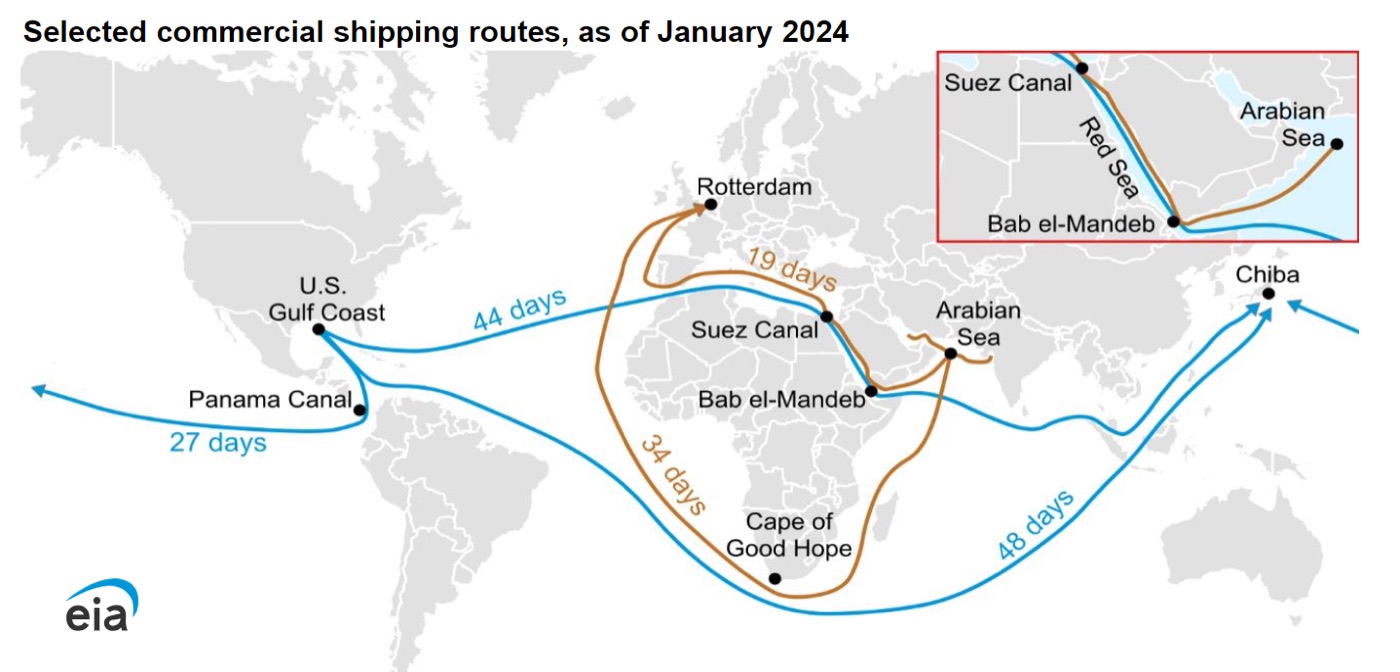
- Carriers are routing around Africa or through the Panama Canal.
- project44 described the longer transit times as the new normal.
The scale of the disruption
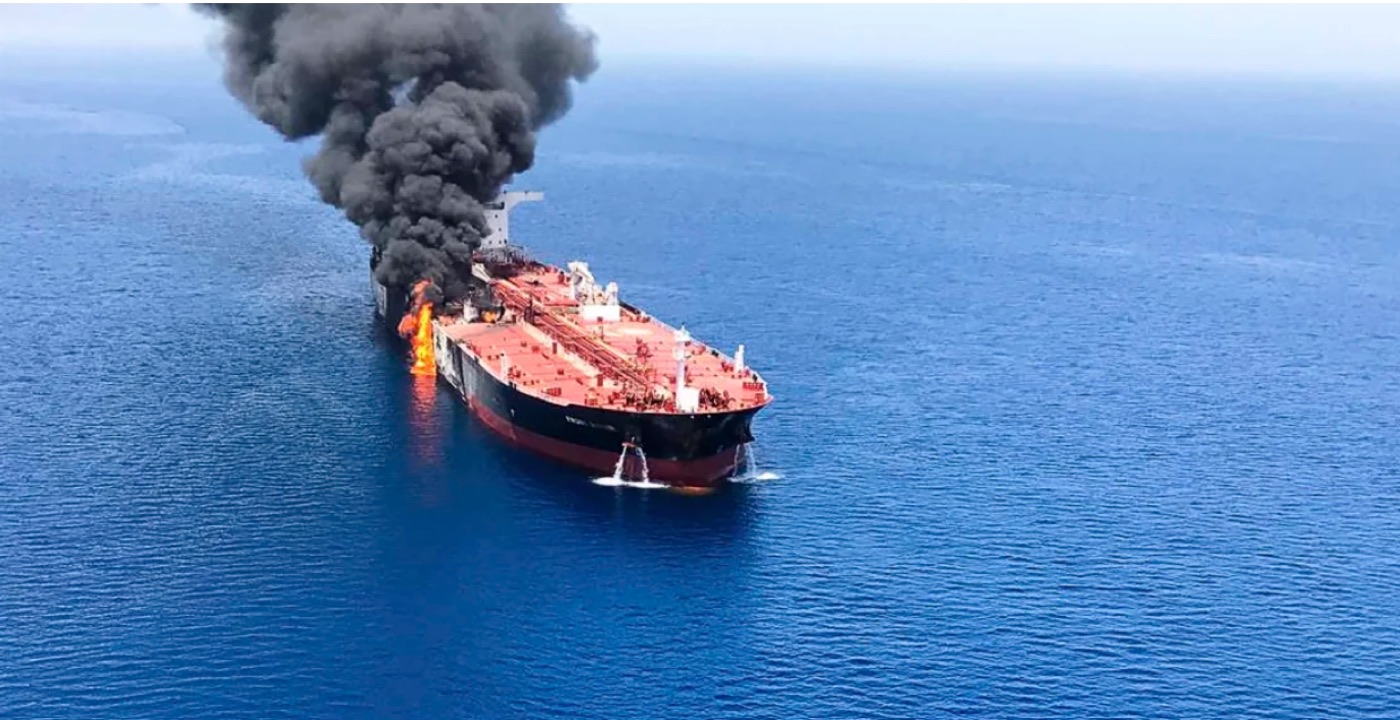
Since Yemen-based Houthi forces began attacking ships in November 2023, hundreds of vessels from all major carriers have changed course to avoid the area. According to project44, Suez Canal passages in May 2024 were about 80% lower than in May 2023, and the report did not expect the peak shipping season to bring carriers back.
Longer routes, longer transit times
Carriers are sailing around Africa or using the Panama Canal instead. On routes from China to Europe, Southeast Asia to Europe and Southeast Asia to the US East Coast, median container transit times rose by 10 to 14 days. Schedules were very unreliable at first, but carriers have since adjusted, and delays against the new schedules have fallen to 4 to 8 days.
Knock-on effects
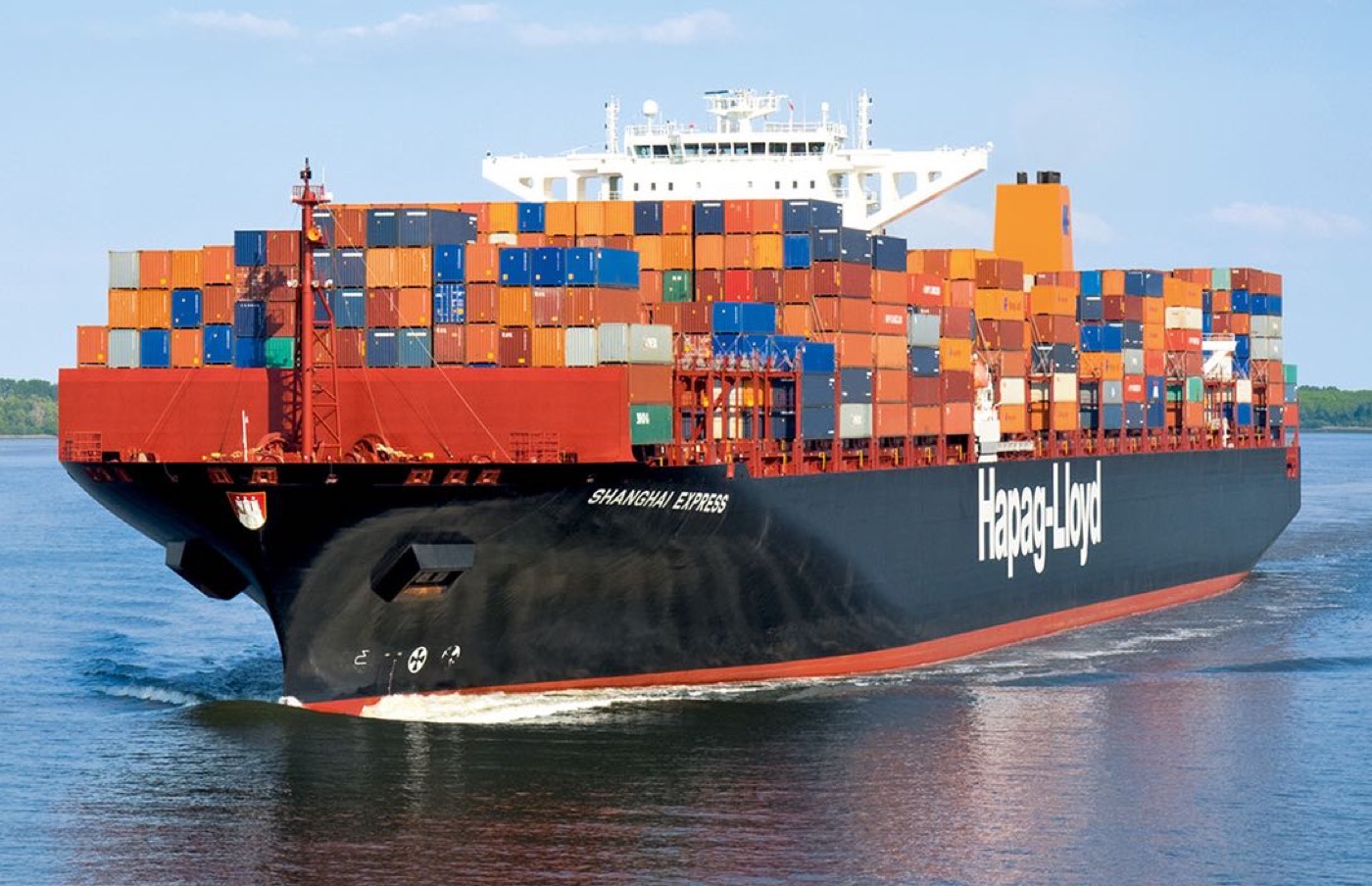
Longer voyages tie up ships and containers, which has contributed to congestion at Asian ports, blank sailings and higher freight rates. Carriers such as Hapag-Lloyd expect the diversions to last.
What it means for shippers
project44 advised shippers to build the extra days into their plans so cargo arrives in time for peak season. We recommend the same, plus:
- confirm the routing and transit time with your carrier when booking;
- check war-risk cover and surcharges;
- consider sea-air freight for time-critical goods.
Our ocean freight team can compare current options for your route. See also our update on attacks on merchant ships.