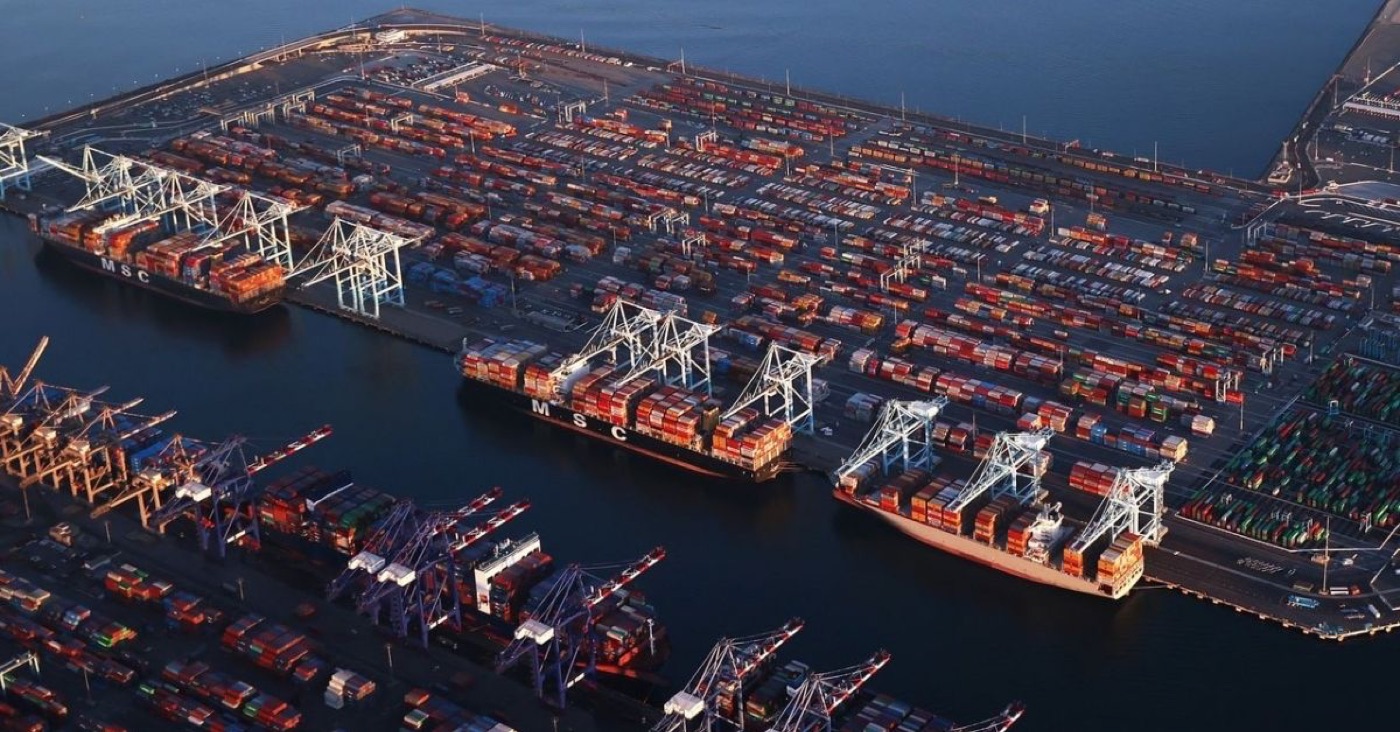
- Berthing times at Singapore rose from one or two days to about seven days.
- Red Sea diversions and an export rush ahead of US tariffs drove the congestion.
- Average container prices in China rose sharply in the two months to May 2024.
- Port operator PSA worked with shipping lines to manage arrivals and add capacity.
What happened
CNA reported that shipping delays at Singapore had more than doubled, with berthing times rising from one or two days to around seven. Analysts linked the bottleneck to a shortage of container ships and equipment, and warned it could raise consumer prices.
Why it happened
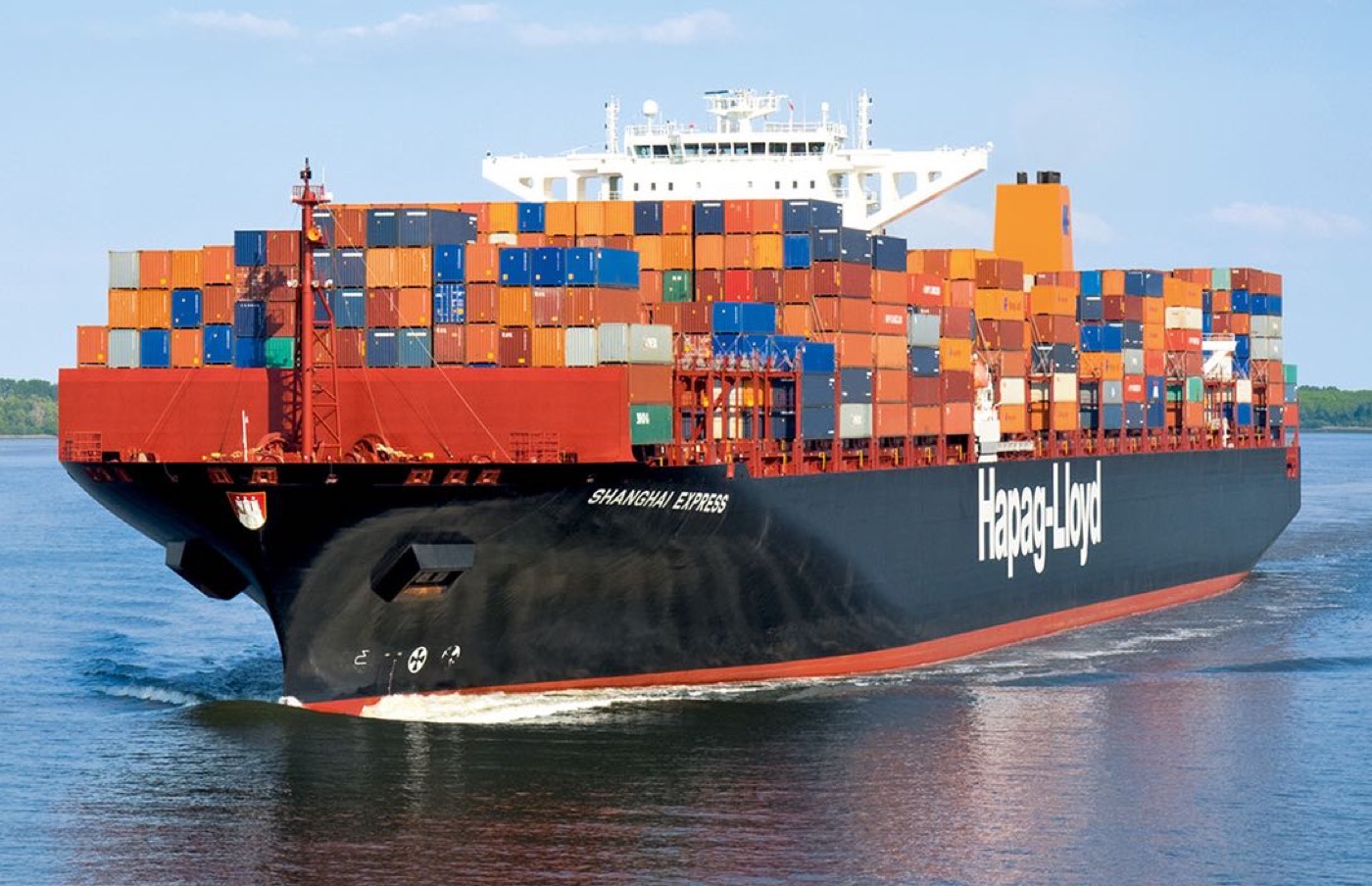
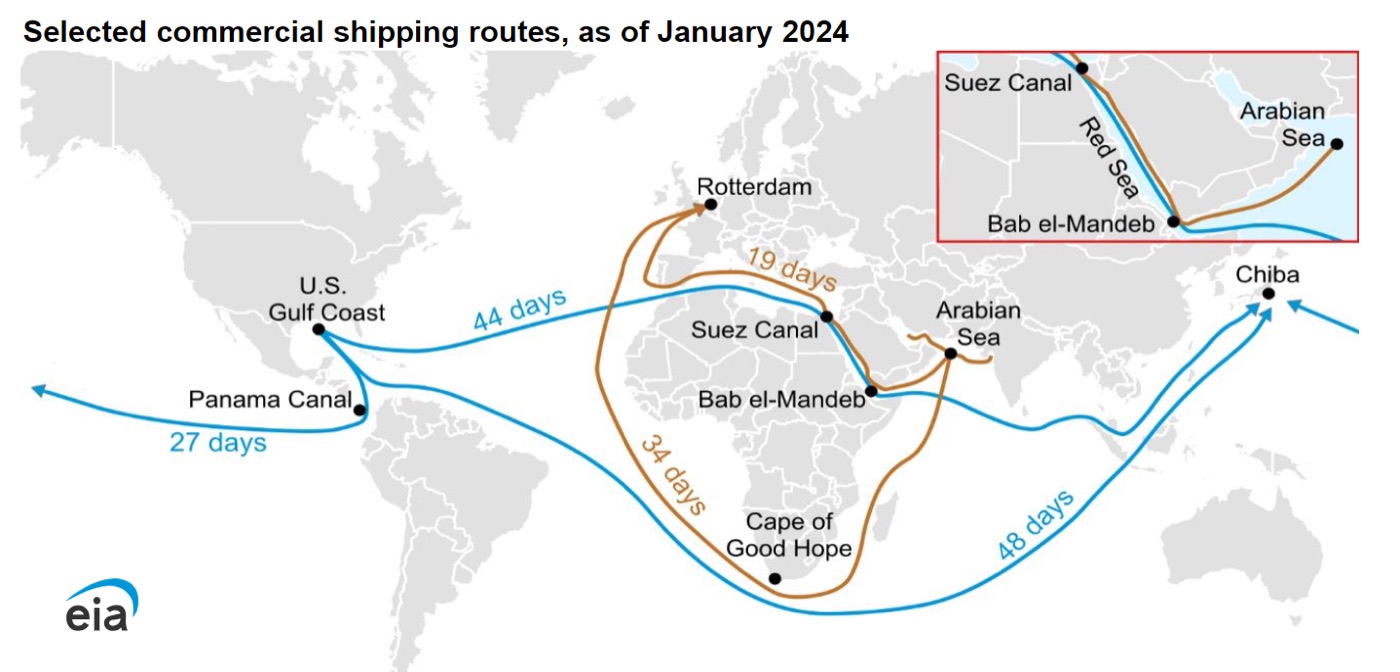
- Red Sea diversions. Ships rerouting around Africa to avoid attacks in the Red Sea arrived out of sequence, bunching at Asian hubs. See our updates on the Red Sea disruption and Hapag-Lloyd's outlook.
- An export rush from China. After the United States announced higher tariffs on Chinese goods such as electric vehicles, batteries and semiconductors, exporters hurried to ship before the curbs took effect. Average container prices in China rose by about 88% in two months.
- More vessel arrivals. Monthly container vessel arrival tonnage at Singapore rose by more than one million gross tonnes year on year.
PSA Singapore, the port operator, worked with shipping lines to share arrival times and volume information in advance, and planned to add capacity and smart technology at its terminals.
What it means for shippers
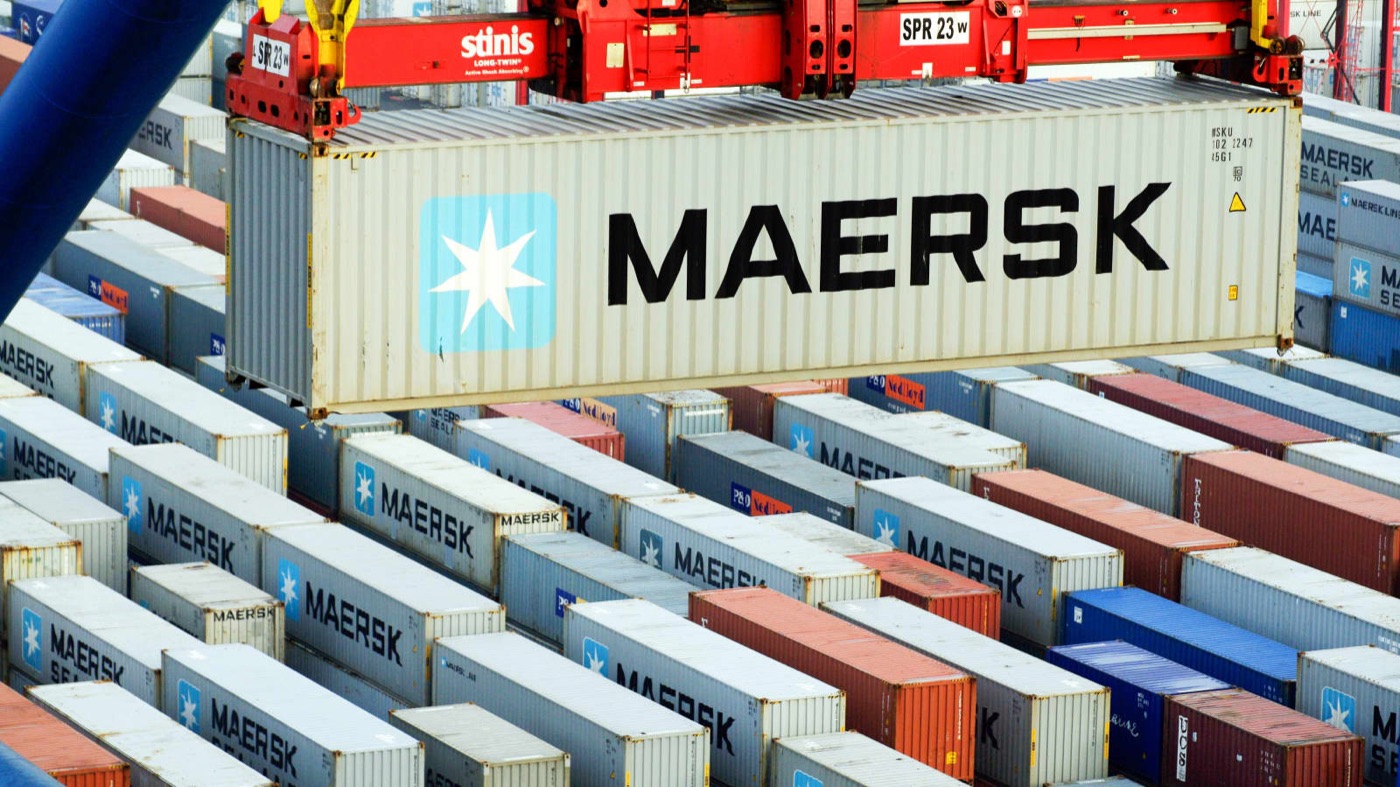
Congestion at one hub spreads quickly. Carriers such as Maersk responded with schedule changes and blank sailings, and freight rates rose. To limit the impact, book early, allow extra transit time and ask your forwarder about alternative routings. Our ocean freight team can check current schedules and options for your cargo, including sea-air freight for urgent goods.