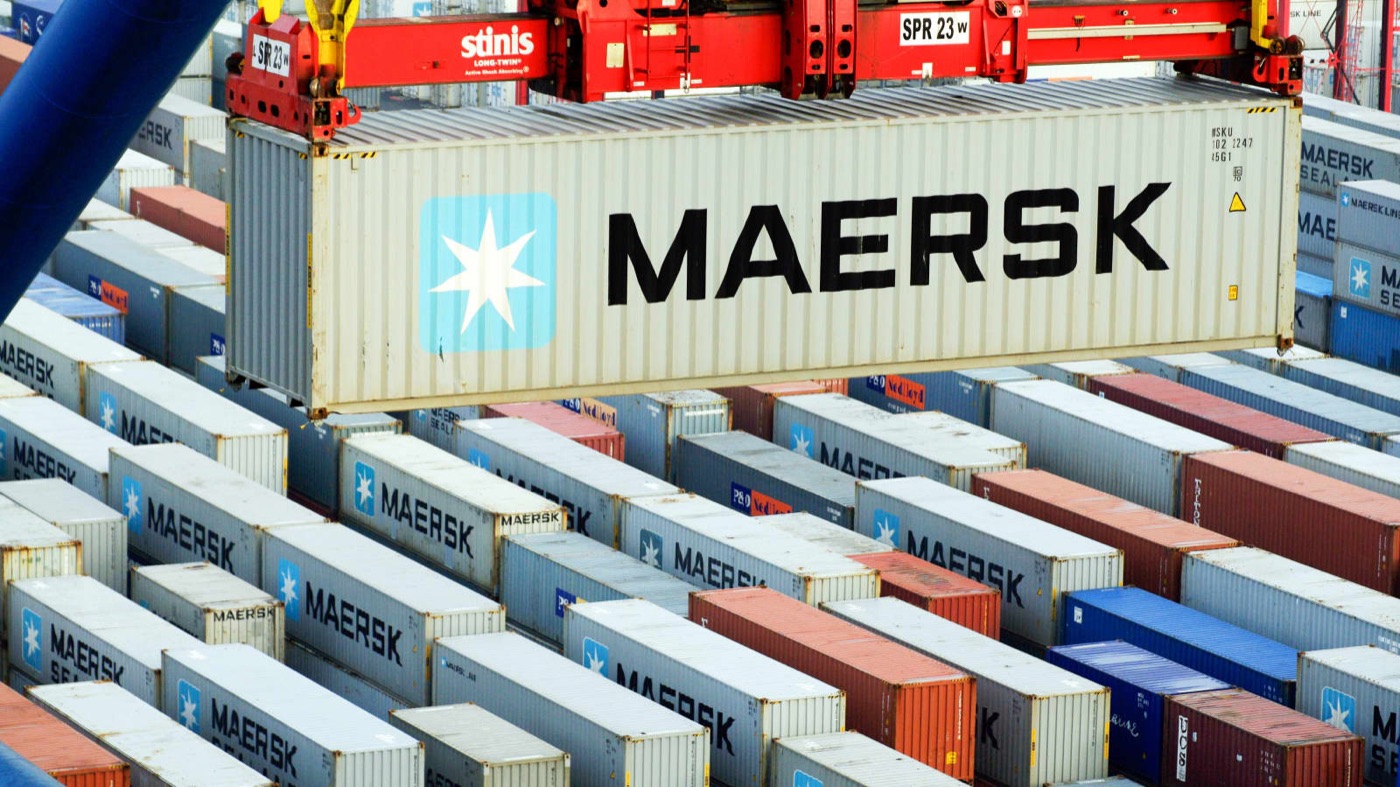
- Congestion at Mediterranean and Asian terminals delayed Maersk's vessel schedules.
- Maersk announced blank sailings, starting with departures from Qingdao and Busan.
- Container spot rate indices continued to climb.
- Red Sea diversions caused vessel bunching and equipment shortages.
What Maersk announced
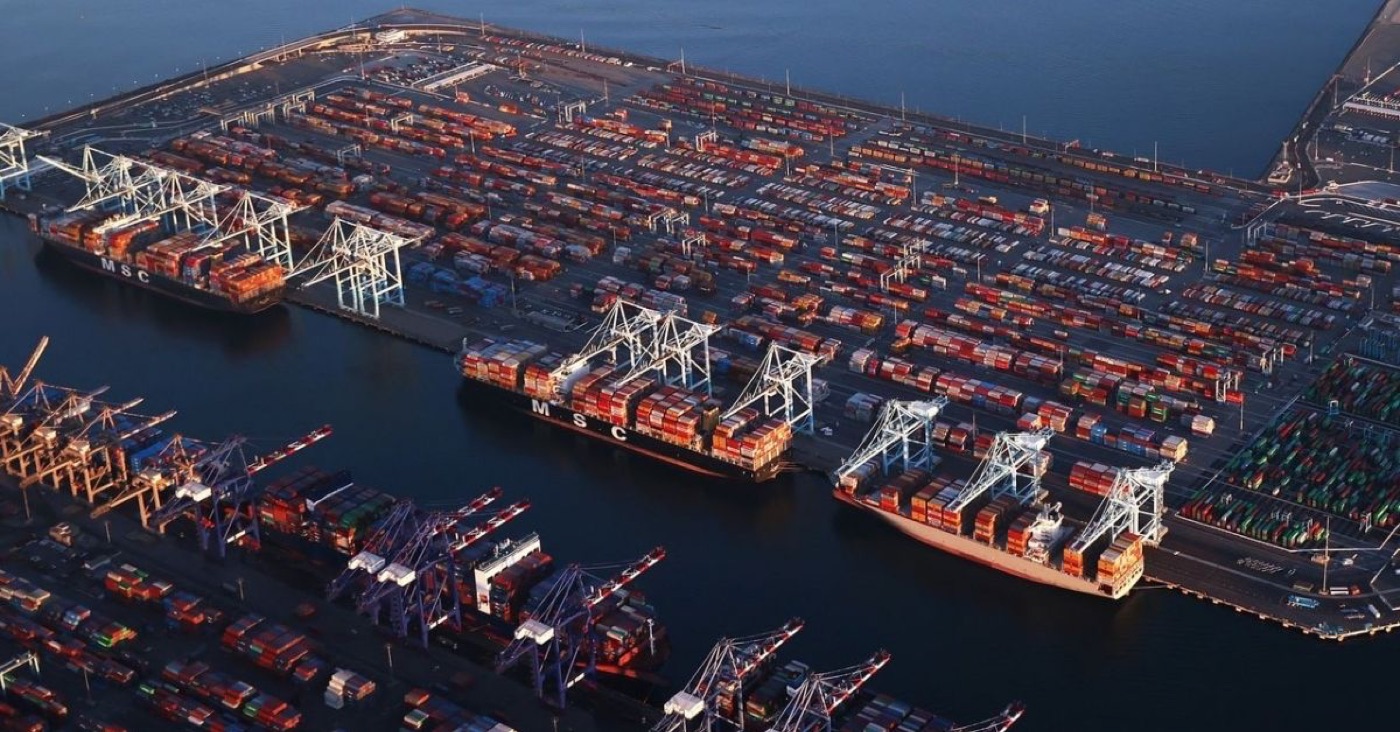
Maersk said severe congestion at terminals in the Mediterranean and Asia was causing long waiting times and making it difficult to keep regular schedules. In response, it planned several blank sailings, cancelled voyages that skip a scheduled departure. The first were the MSC AMELIA on the AE11 service from Qingdao on 1 July 2024, and the MSC MIRJAM on the AE15 service from Busan on 2 July 2024. The company apologised to customers for the disruption.
Rates kept rising
The congestion coincided with rising container spot rates. Both Drewry's World Container Index and the Shanghai Containerized Freight Index (SCFI) continued to climb after the Chinese New Year period.
The Red Sea connection
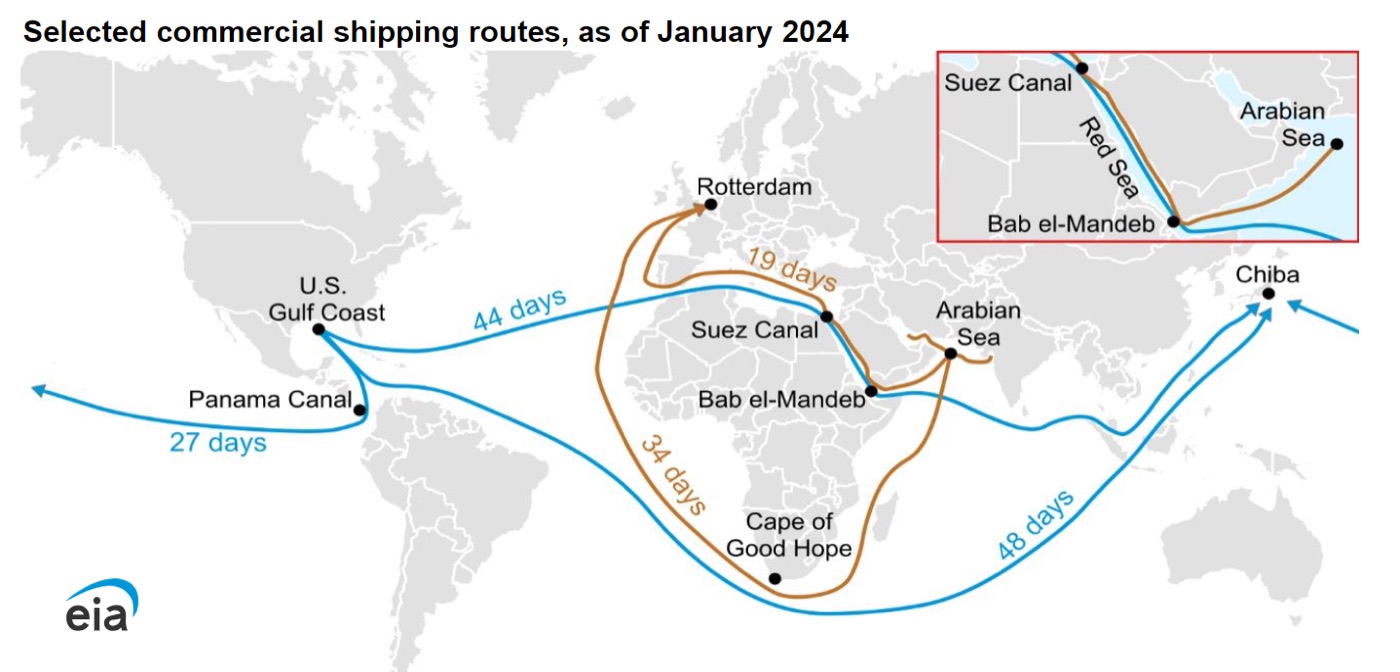
Analysts had warned for months about the knock-on effects of rerouting ships around the Cape of Good Hope to avoid the Red Sea: bottlenecks, vessel bunching (several ships arriving at a port at once) and shortages of equipment and capacity. The same pressures caused congestion at Singapore.
What it means for shippers
Blank sailings reduce capacity and can push cargo to later departures. To protect your schedule:
- Book early and confirm the vessel and departure in writing.
- Allow extra transit time in delivery promises.
- Ask about alternative carriers, ports or sea-air freight for urgent goods.
Our ocean freight team monitors schedule changes and can rebook cargo when a sailing is cancelled.