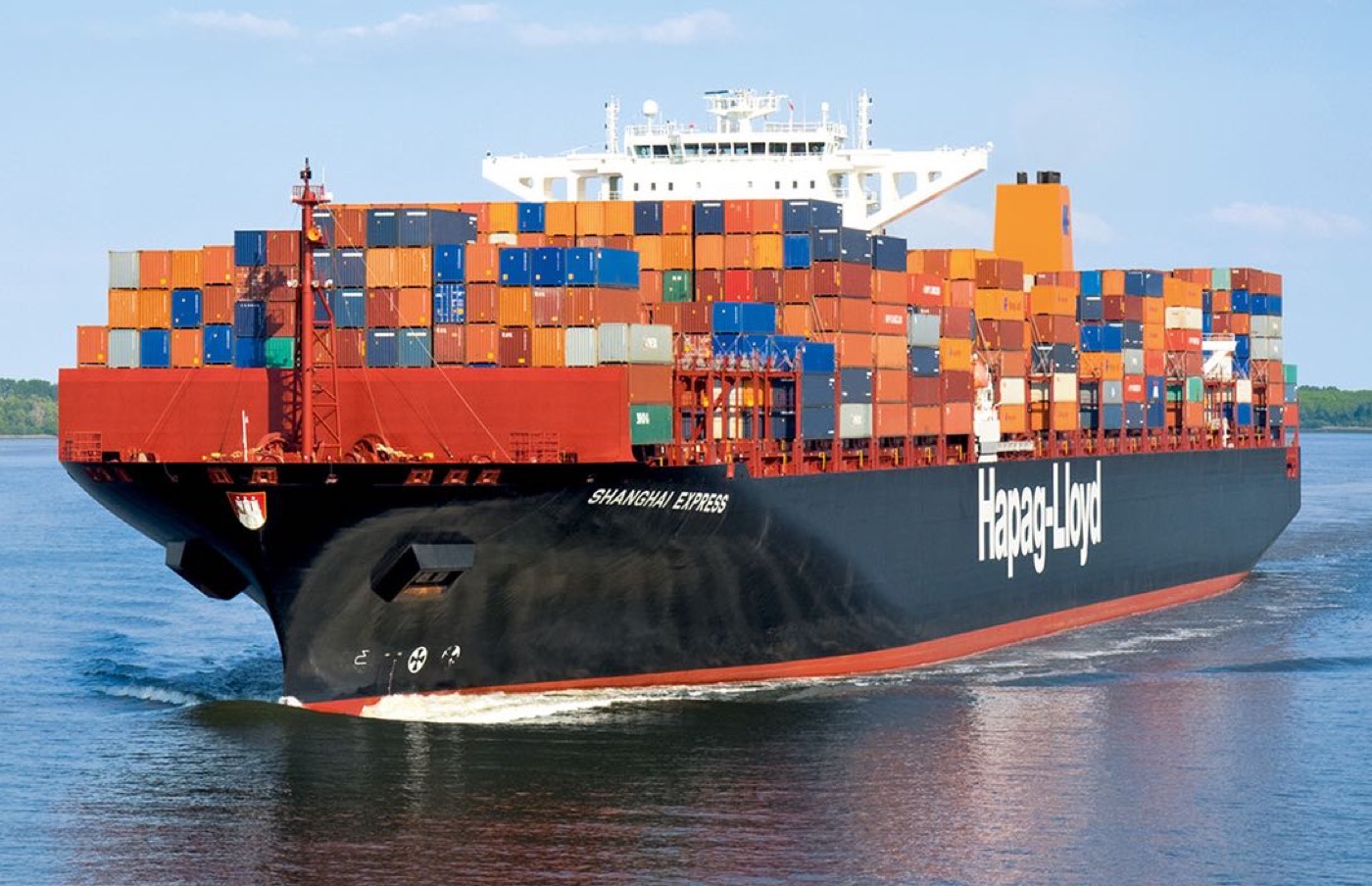
- Hapag-Lloyd did not expect a quick return to the Suez Canal route.
- A ceasefire would not guarantee an immediate end to Houthi attacks.
- Restoring normal schedules would take at least four to six weeks after reopening.
- Maersk had said it needed a permanent solution before returning to the Red Sea.
What Hapag-Lloyd said
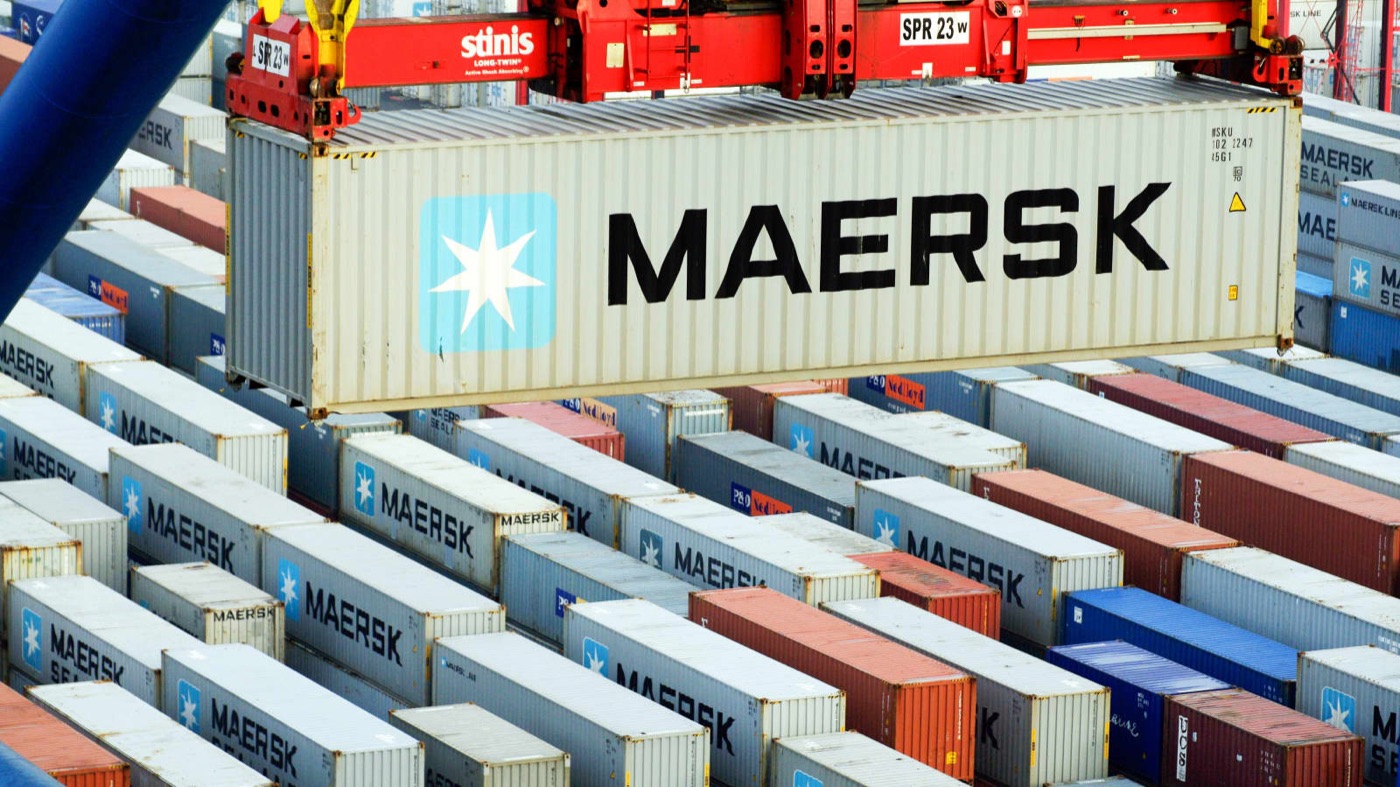
Reuters reported that Hapag-Lloyd, the world's fifth-largest container line, did not expect the industry to resume Suez Canal transits soon. The comments came after Palestinian groups supported a UN Security Council resolution endorsing a ceasefire proposal for Gaza. A company spokesperson said that even an immediate ceasefire would not guarantee that attacks by Yemen-based Houthi forces would stop.
Hapag-Lloyd added that once the canal reopened, it would take at least four to six weeks to realign schedules and return to normal operations. Shares in Hapag-Lloyd and Maersk fell by 5 to 6% after the news. Maersk declined to comment, but its CEO had said in February that the company would need a permanent solution before returning to the Red Sea.
Why it matters
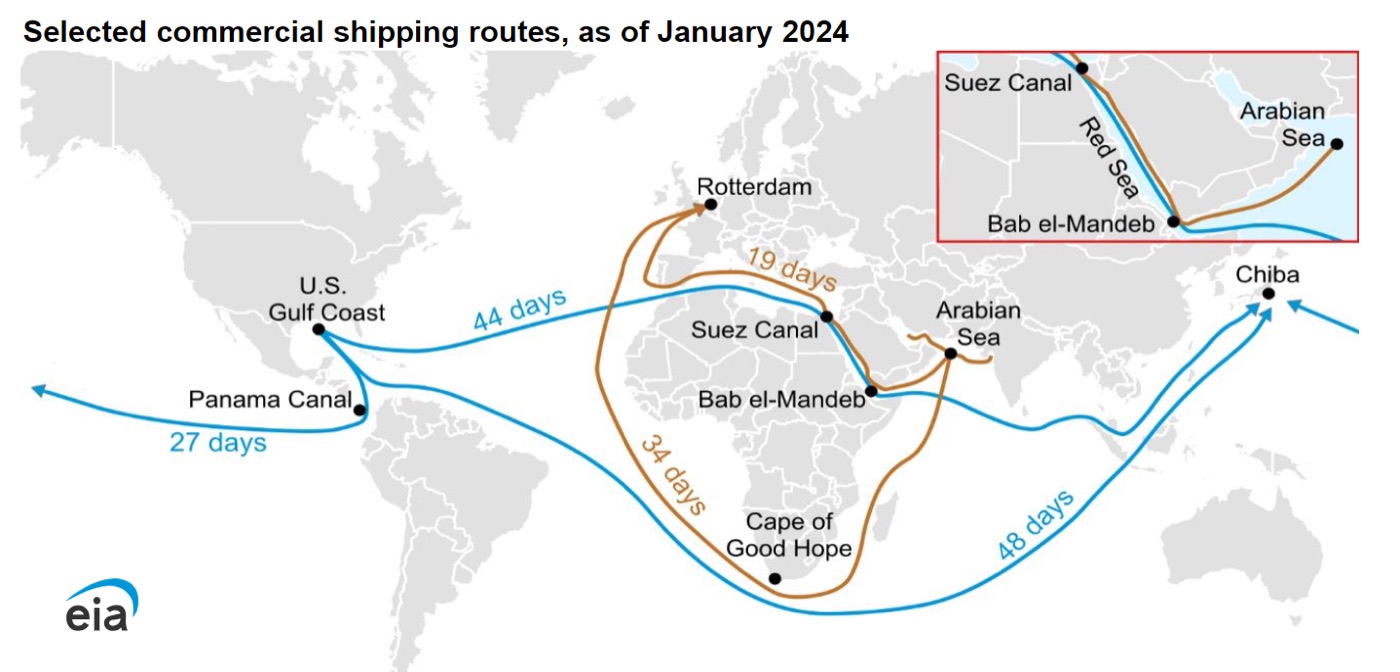
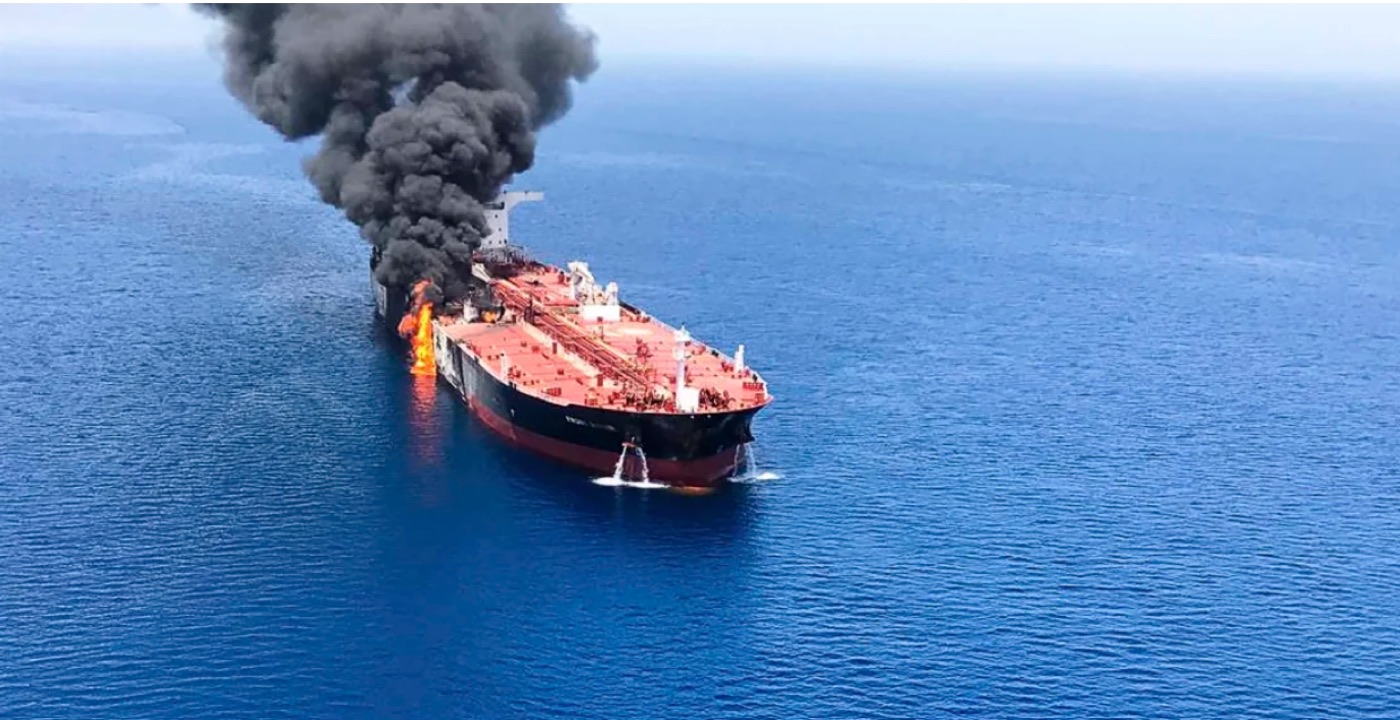
Container ships have avoided the Suez Canal because of attacks on vessels in the Red Sea. Sailing around Africa adds time and cost, and the disruption has spread to ports and schedules worldwide, including congestion and blank sailings. See also our update on attacks on merchant ships.
What it means for shippers
Plan for longer transit times on Asia–Europe and related routes for the foreseeable future, and expect schedules to stay unsettled for several weeks even after any reopening. For cargo to and from the Gulf, our ocean freight team can compare routings, and war-risk cover should be checked with your insurer.