
- Jebel Ali's expansion plans support the UAE's role as a regional logistics leader.
- Greener vehicles, route planning and packaging are spreading across the sector.
- Digital tools are transforming last-mile delivery and shipment visibility.
- Fuel costs, regional tensions and capacity pressure remain real challenges.
Jebel Ali's expansion plans
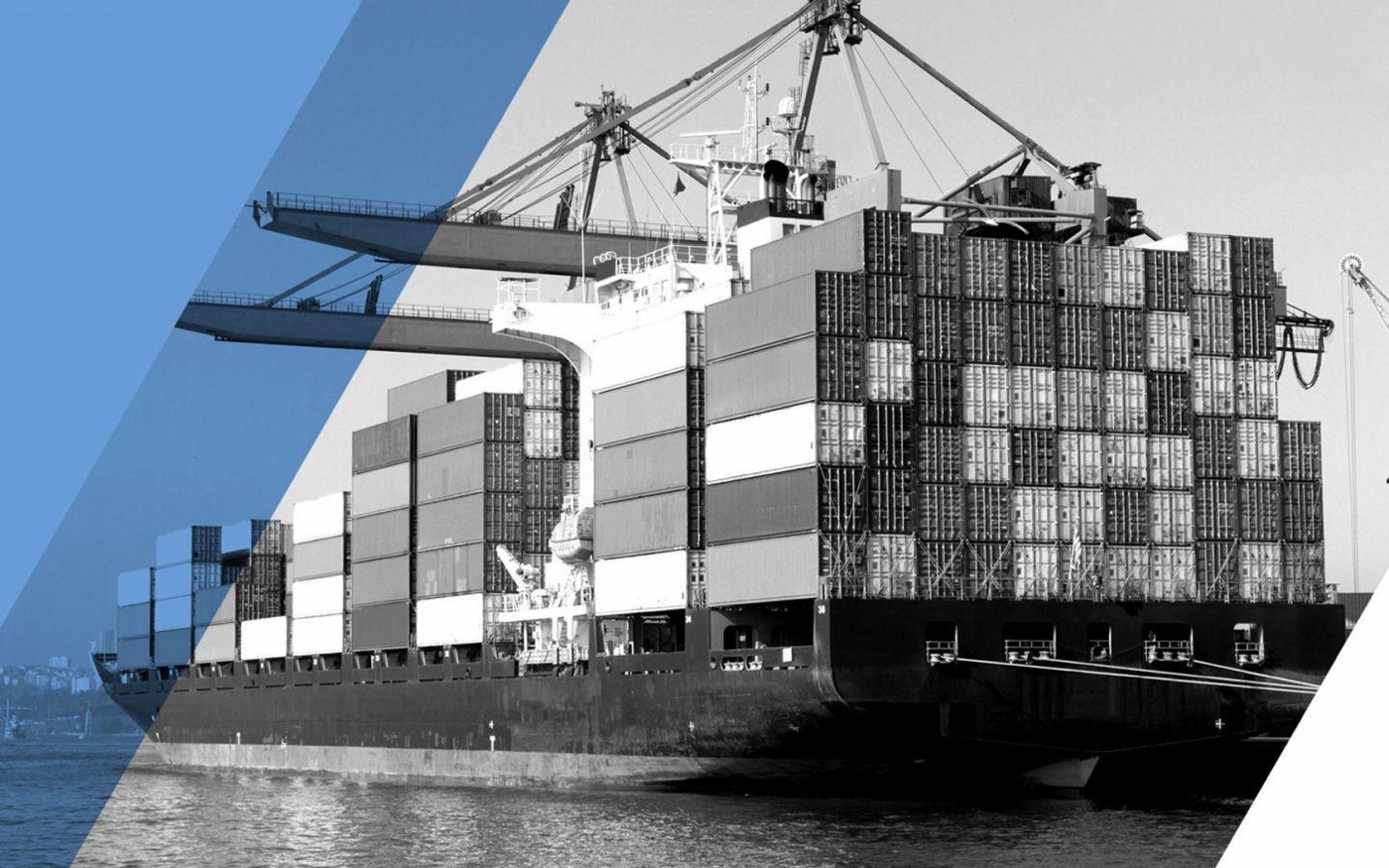
Jebel Ali Port, already one of the world's busiest ports, has plans to increase capacity, introduce new technology and streamline operations. Expansion strengthens the UAE's position as the region's logistics leader and keeps carrier choice wide for ocean freight shippers.
Greener logistics
In line with the UAE's sustainability goals, logistics companies are adopting electric and hybrid vehicles, planning routes for fuel efficiency and using more sustainable packaging. Government incentives and regulation support the shift.
Digital last-mile delivery
E-commerce has raised expectations for fast, accurate delivery. Route optimisation, real-time tracking and contactless delivery are becoming standard. Good warehousing and distribution planning is what makes fast final delivery possible.
Blockchain and supply-chain security
Blockchain is attracting interest for its potential to make records tamper-proof and supply chains more transparent. Secure, verifiable records also help reduce fraud. Our guide to avoiding freight and shipping fraud covers practical steps you can take today.
The challenges that come with growth
- Fuel prices move transport costs up and down.
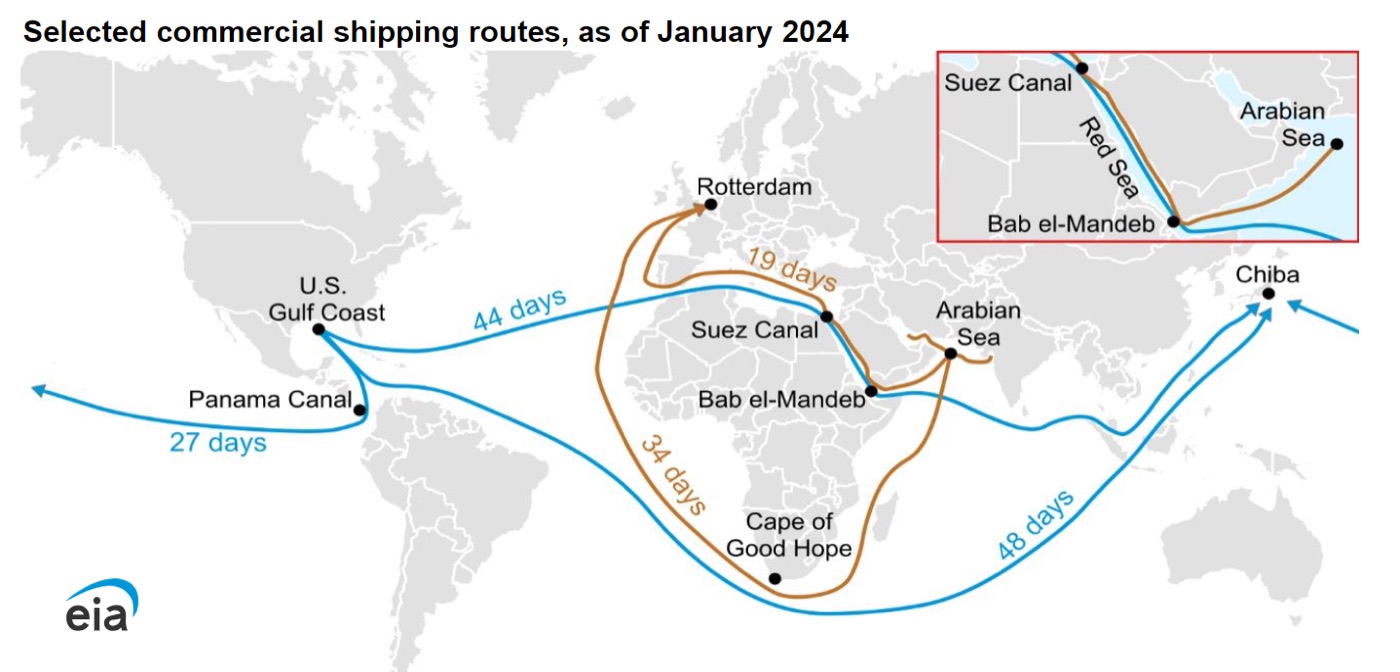
- Regional tensions can disrupt trade routes, as the Red Sea disruption later showed.
- Rising demand puts pressure on capacity and needs continuous investment.
What it means for shippers
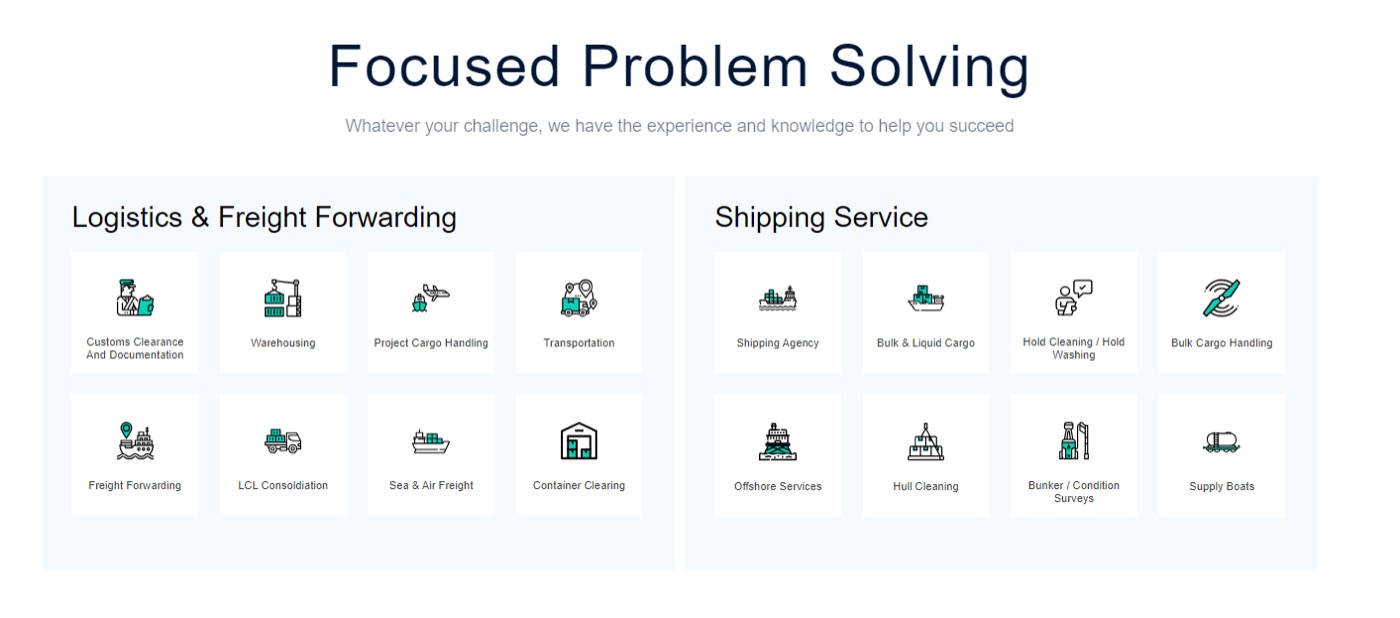
The UAE logistics sector is dynamic and well supported, but costs and routes can change quickly. A forwarder that manages customs clearance, transport and storage together can adjust your plans when conditions shift.
Published in July 2023, drawing on reporting in Khaleej Times and Gulf News at the time.