- Port congestion and equipment shortages have shown why resilience matters.
- Digital tracking and documentation improve visibility and efficiency.
- Responsible, efficient operations reduce the footprint of each shipment.
- Long-term partnerships with clients and agents keep supply chains reliable.
Adapting to supply-chain disruption
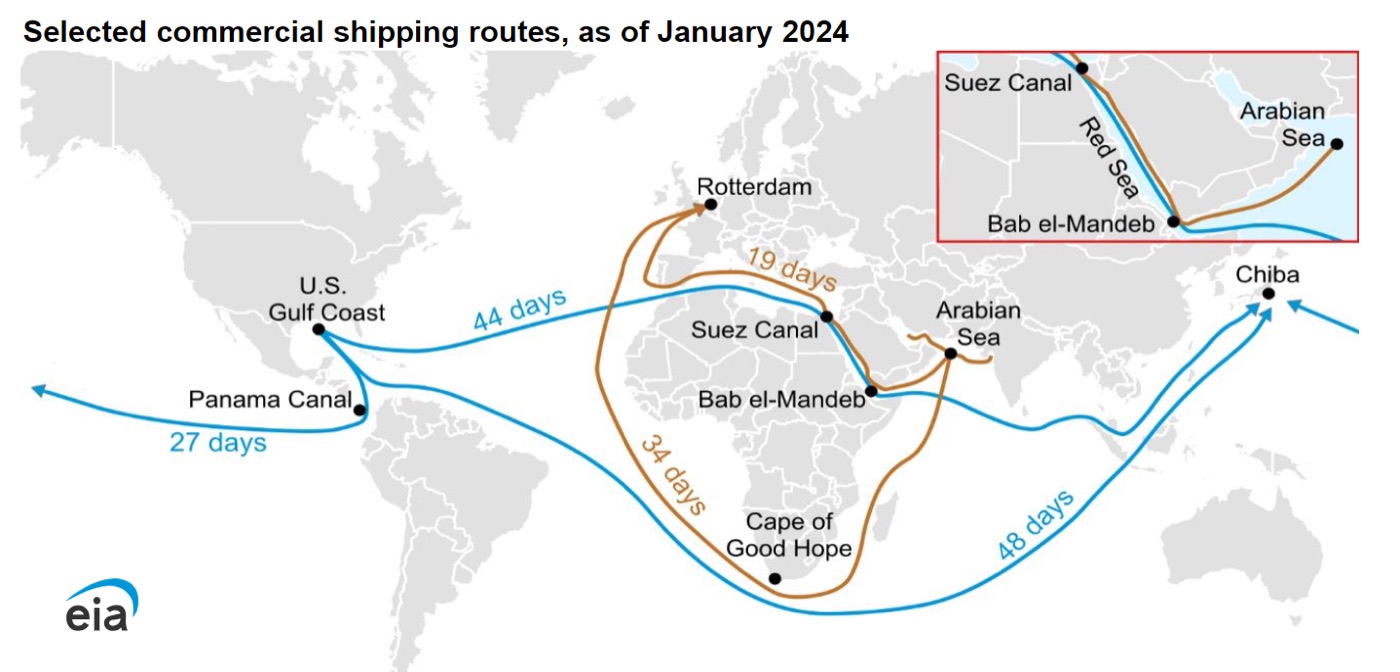
Recent years have exposed weaknesses in global supply chains, from port congestion to container shortages and the Red Sea diversions. Our team plans alternatives early so goods still reach their destinations on time, whether by rerouting ocean freight or switching urgent cargo to air freight.
Embracing digital transformation
Digital tools are reshaping logistics. We use them to improve tracking, streamline documentation and give you clear visibility of each shipment, because good information is what makes a supply chain dependable.
Operating responsibly
We aim to reduce the footprint of our operations by planning efficient routes and consolidating cargo where possible. We pair this with ethical business practices and careful vetting of partners. Our guide to avoiding freight fraud explains why that matters.
Building strong partnerships
Collaboration matters more than ever. We work closely with clients and agents, take the time to understand each business's goals, and tailor our freight forwarding and customs clearance services to them.
Looking ahead
Our mission stays the same: to deliver dependable logistics solutions. We are committed to meeting today's challenges and making the most of tomorrow's opportunities alongside our clients. Read more about why clients choose JW Marine.