- New UAE customs regulations aim to improve security and efficiency.
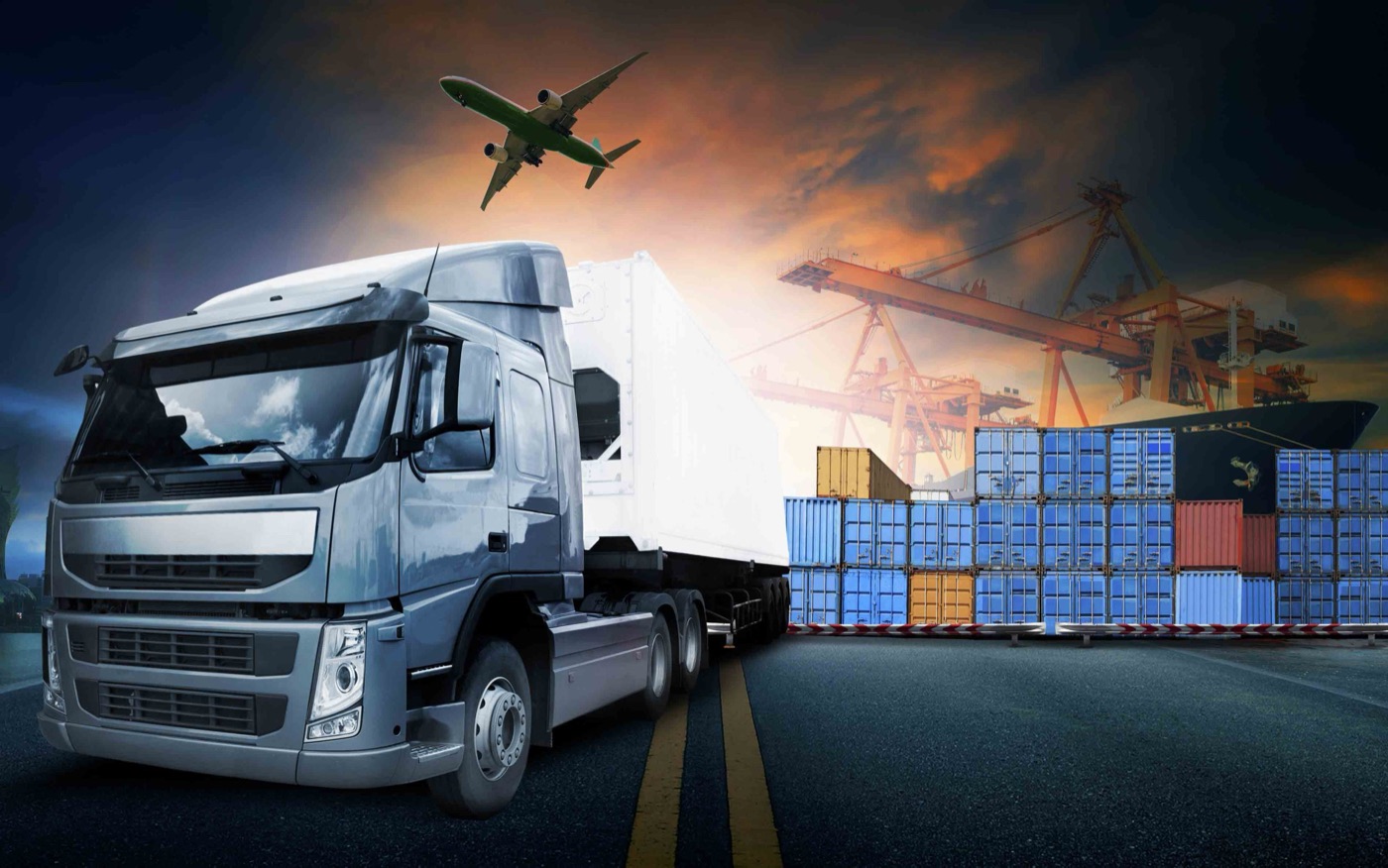
- Growing ports and airports give shippers more sea and air options.
- Digital documentation and tracking speed up clearance.
- Free zones offer duty and procedural benefits that can lower supply-chain costs.
New customs regulations
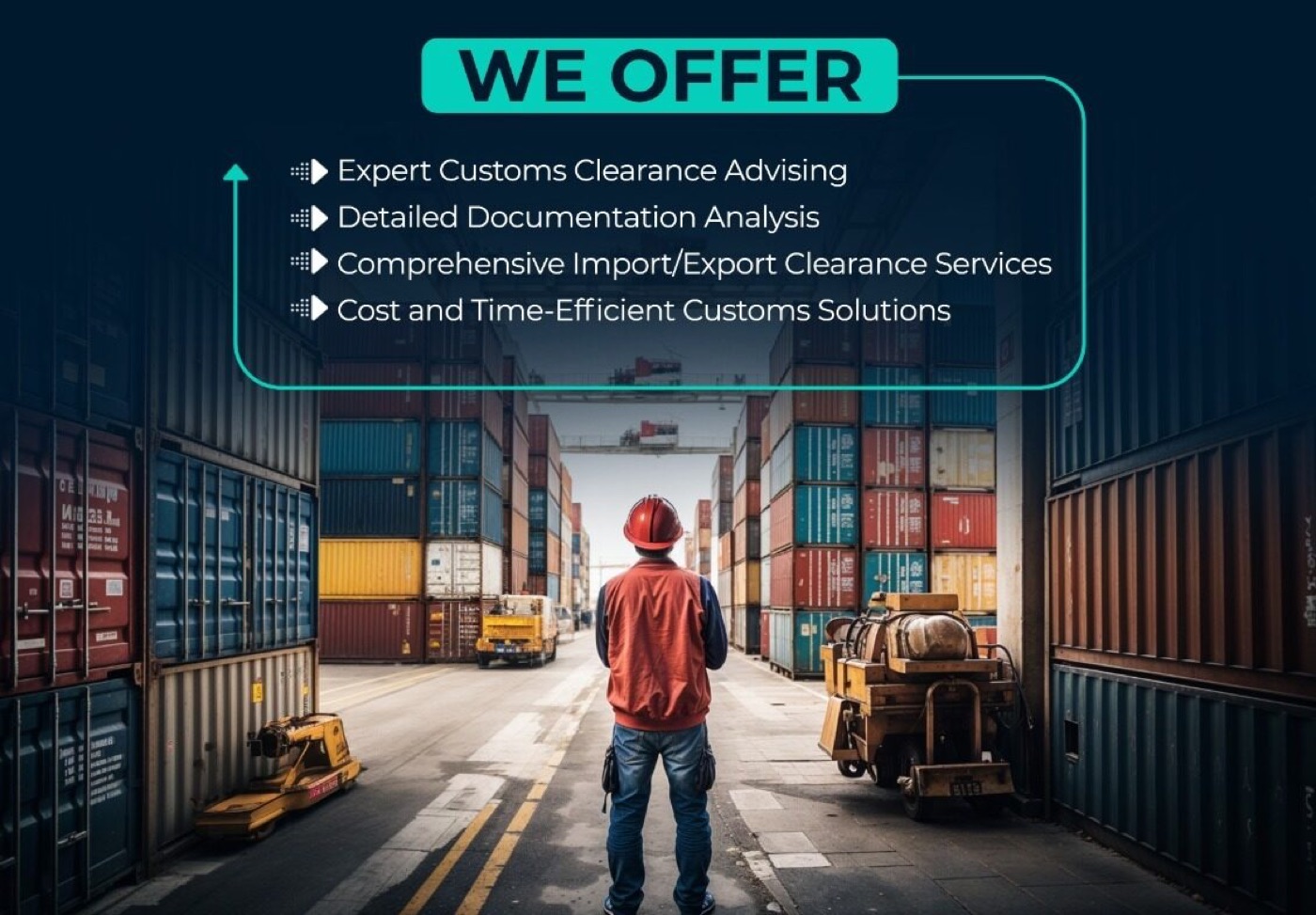
The UAE has introduced customs regulations to improve security and efficiency. Our customs clearance team follows these changes closely so declarations are accurate and cargo clears without avoidable delays. For the detail by location, see our guide to customs clearance across key UAE ports and free zones.
Growing maritime importance
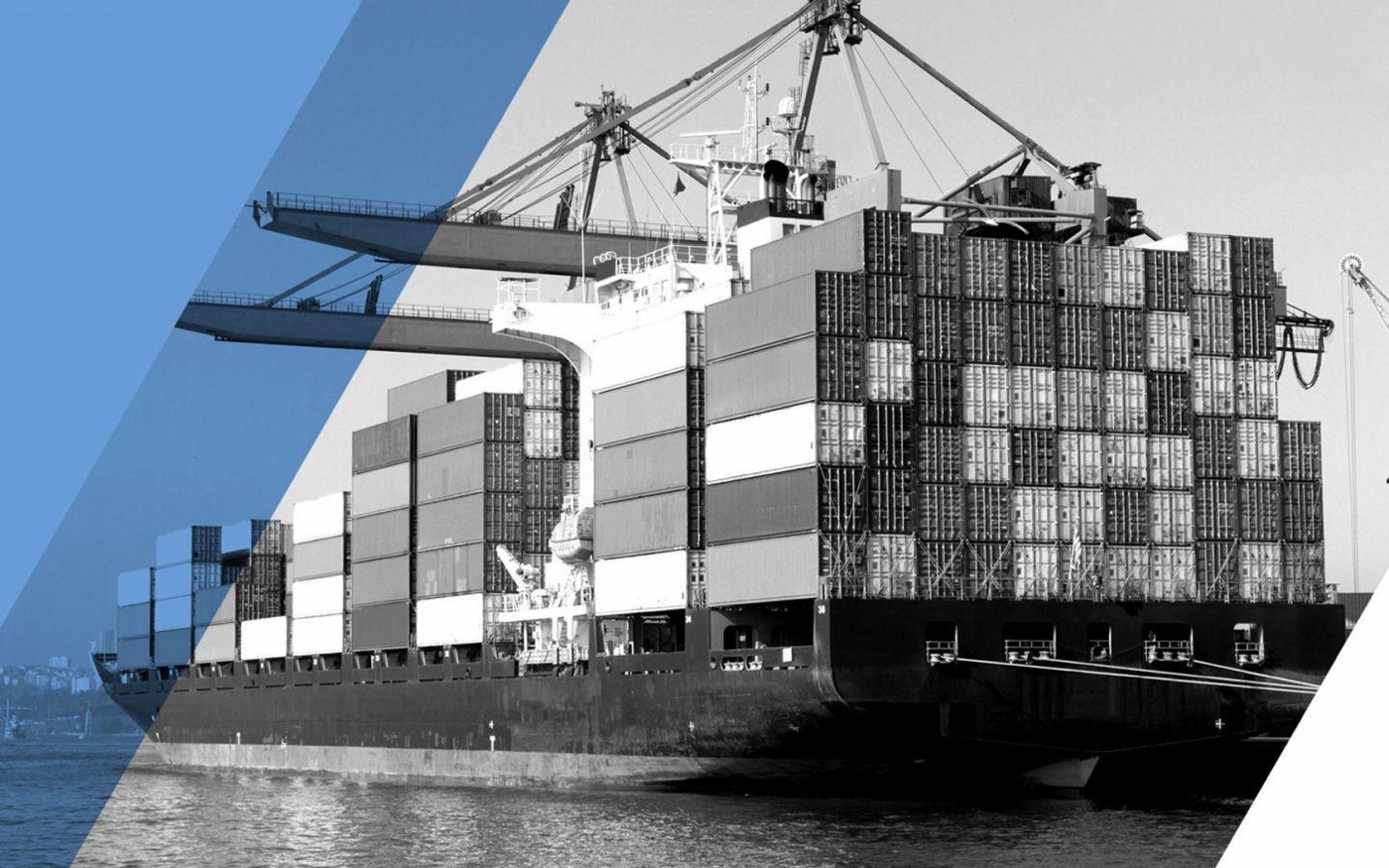
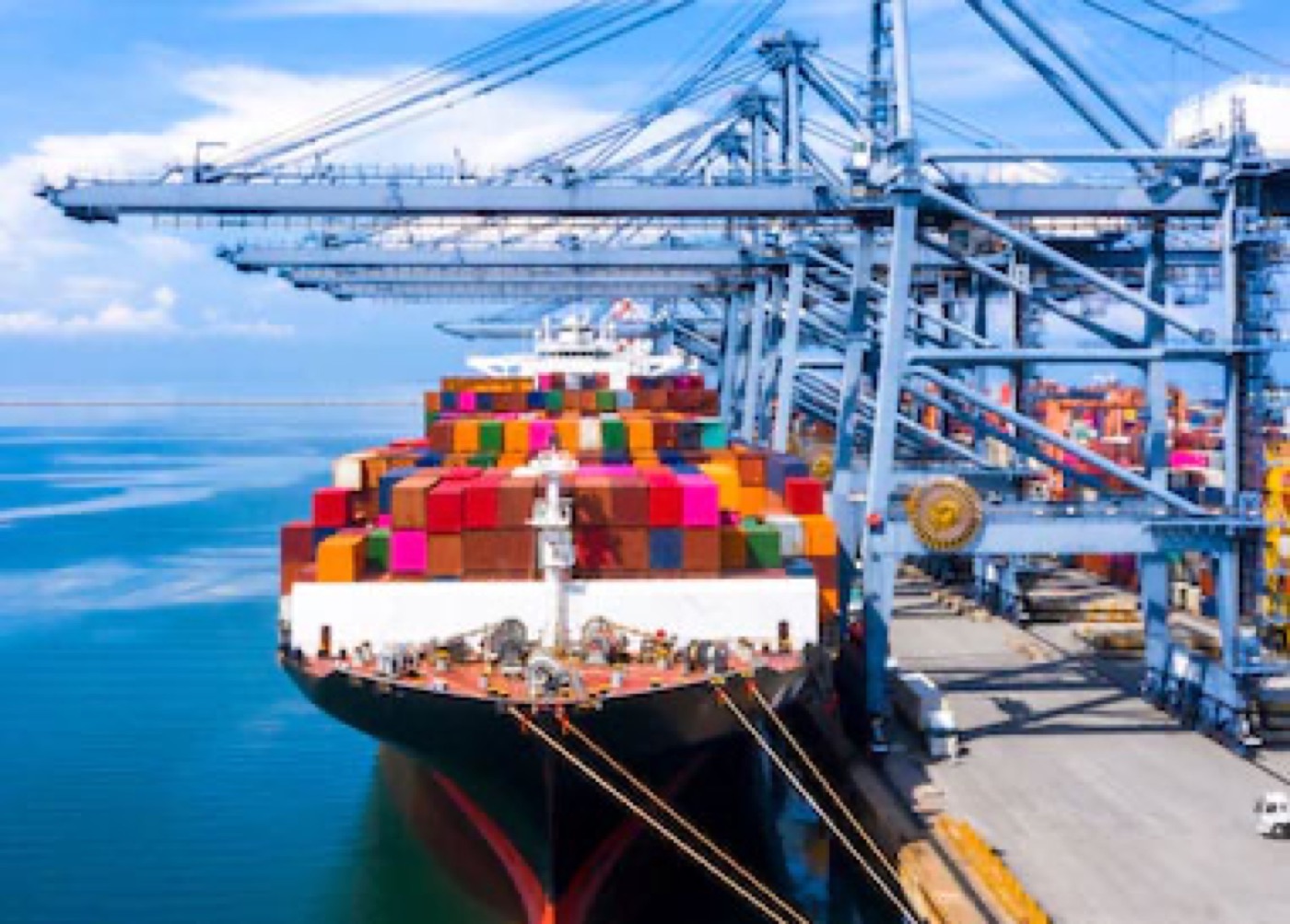
World-class ports such as Jebel Ali and Khalifa Port keep strengthening the UAE's role in global shipping, giving shippers more direct ocean freight services.
Air cargo advances
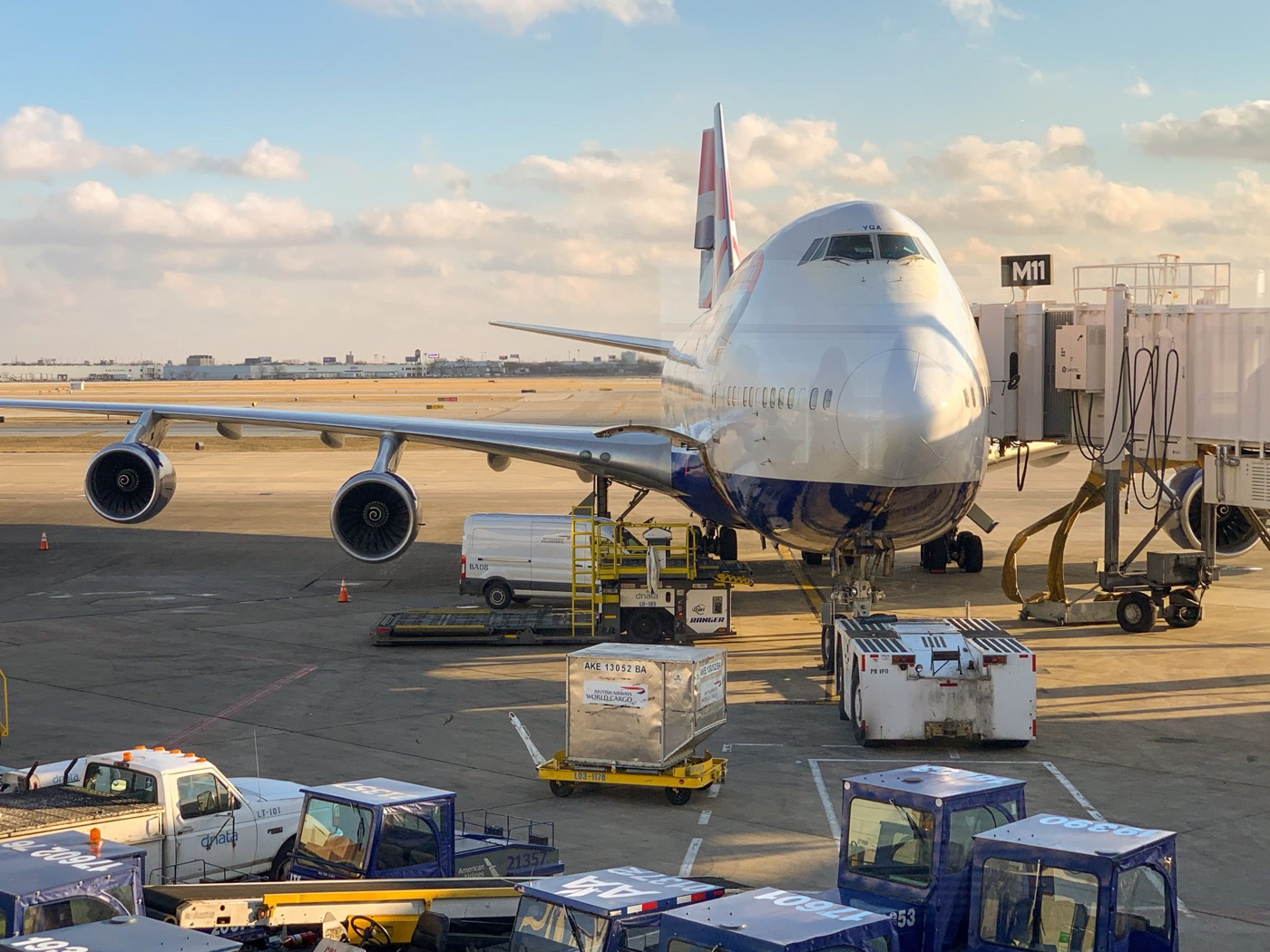
Airport and air cargo facilities continue to expand, which supports faster and more reliable air freight for urgent shipments.
Digital transformation
Government digitisation means more documents are filed and checked electronically. We use digital tools for documentation and cargo tracking, so information moves as fast as the cargo.
Free-zone benefits
UAE free zones offer advantages such as duty exemptions and simplified customs procedures. We use these benefits to make your supply chain more efficient, for example by storing goods duty-suspended and re-exporting them through bonded warehousing.
Sustainability and global connections
We support the UAE's sustainability goals by consolidating cargo and planning efficient routes. The country's position between Asia, Europe and Africa lets us connect your trade to most markets, with supply-chain plans tailored to your business.
Staying ahead of change
Regulations and infrastructure will keep evolving. Our role is to translate those changes into practical shipping plans for your business. Contact our team to discuss your freight forwarding and supply-chain requirements.