- Sea, air and road freight all carry risks, from accidents to theft and natural disasters.
- Insurance protects against cargo losses and helps businesses recover quickly.
- Liability cover protects forwarders against third-party claims.
- Review your cover regularly and work with specialist marine insurers.
Understanding the risks
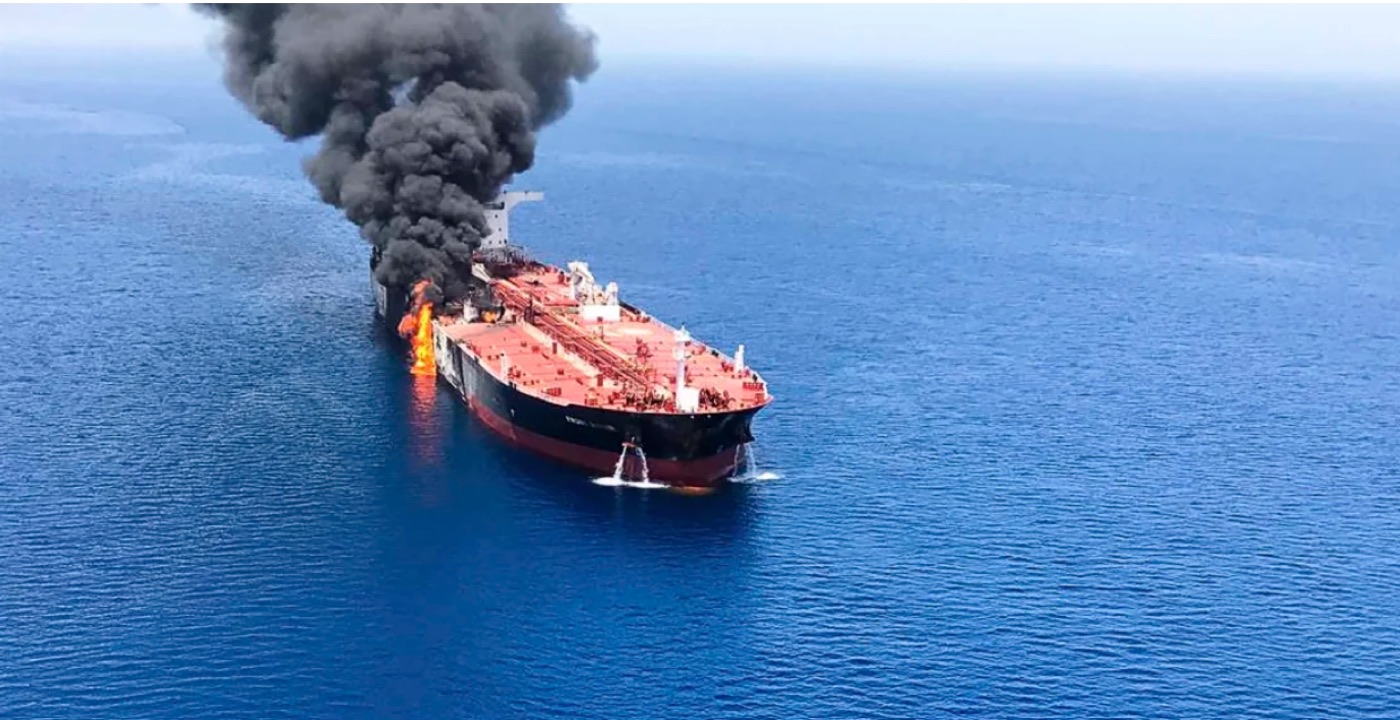
Freight forwarding moves goods across borders by sea, air and land, often combining several modes. Each stage carries risk: natural disasters, human error, theft and accidents such as the explosion on the YM Mobility at Ningbo. A single incident can lead to heavy financial losses, delays and even legal disputes. Without adequate insurance, a business may struggle to recover.
The role of insurance
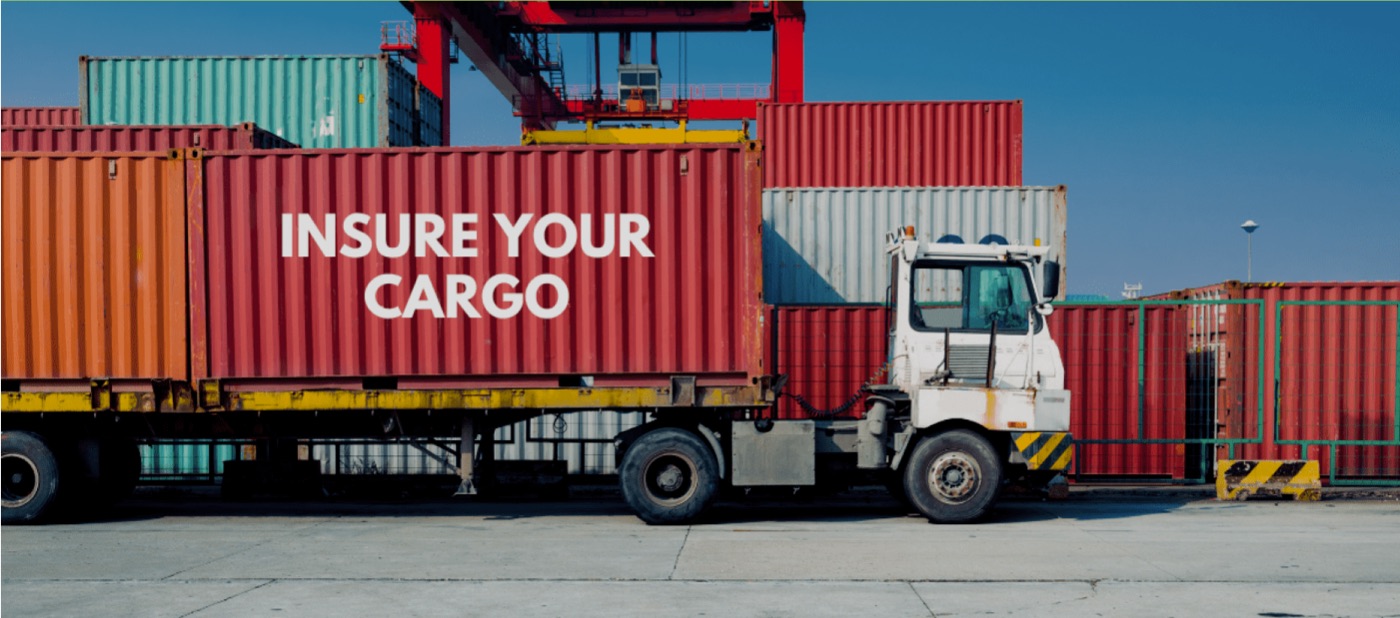
Financial protection. Marine cargo insurance covers loss of or damage to goods in transit, reducing the burden on the shipper or consignee.
Business continuity. Insurance helps businesses recover quickly after an incident and keep serving their customers.
Legal liability. Where an accident leads to third-party claims, for example damage to other vessels, port facilities or the environment, liability insurance protects forwarders from potentially crippling costs. Cargo owners can also face general average contributions when a ship is damaged.
Customer trust. Offering insured shipments gives customers peace of mind and strengthens long-term relationships.
Lessons from Ningbo
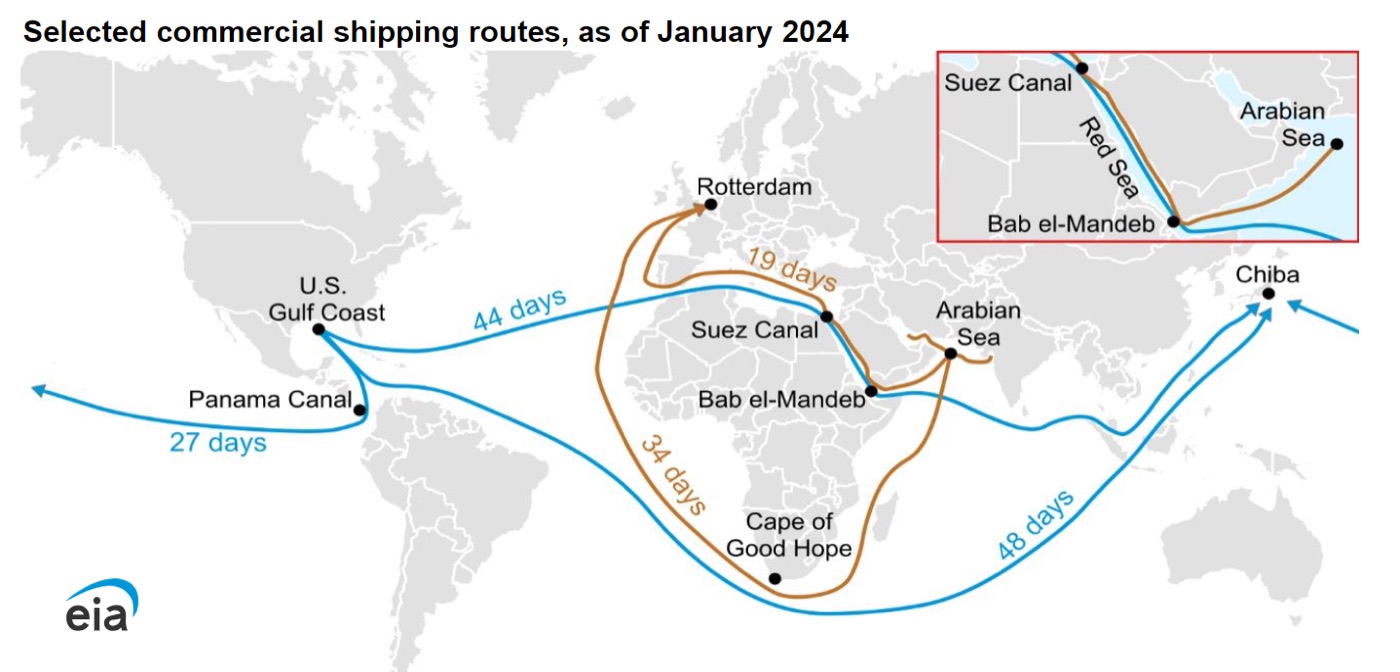
- Review your cover. Make sure your policies are comprehensive and up to date, covering accidents, natural disasters and cargo damage on every route you use. Where routes pass through high-risk areas, check war-risk cover too; see our update on attacks on merchant ships.
- Work with specialists. Use insurers who specialise in marine and freight cover, or ask your forwarder. JW Marine can help you arrange the insurance you need.
- Talk to your clients. Explain the benefits of insuring cargo and the types of cover available, so they can make informed decisions.
- Assess risk regularly. Identify weak points in your operations before they turn into costly incidents. Our guide to avoiding freight fraud covers another common risk.
Conclusion
Insurance is not just a precaution; it is a core part of managing risk. At JW Marine, we help clients protect their cargo at every stage, alongside our freight forwarding and ocean freight services.